Hvar is 68 kilometres long. A significant portion of what happened on this island, from the uprisings to the watchtowers, winemaking and centuries of people building lives away from the coast, happened in its hidden villages. The villages that still stand exactly where they were built.
Many tourists to Hvar never get past Hvar Town. Vrbanj, Zastražišće and Basina are three of the island's inland and northern villages with little interest in being found. Here is what you should know before visiting them.
Vrbanj, Hvar: where the island's history was made
Vrbanj takes its name from the Croatian word for willow. The village sits above the Stari Grad Plain, the same plain that UNESCO recognised as a World Heritage Site in 2008, one of the oldest continuously cultivated landscapes in Europe. Its origins go back further than the medieval stone houses suggest: Roman remains have been found here, including two oil presses and the traces of a leisure villa, evidence that this land was productive before the Slavic settlers arrived.
What the village holds today earns the drive. The 16th and 17th-century stone houses were built with walls thick enough to hold off pirates. At the centre of the village stands the home of Matija Ivanić, a name every Hvar schoolchild knows. In 1510, Ivanić led the pučki ustanak, the uprising of the common people against the Venetian-backed nobility. It was one of the most significant popular revolts in Dalmatian history, and it started here.
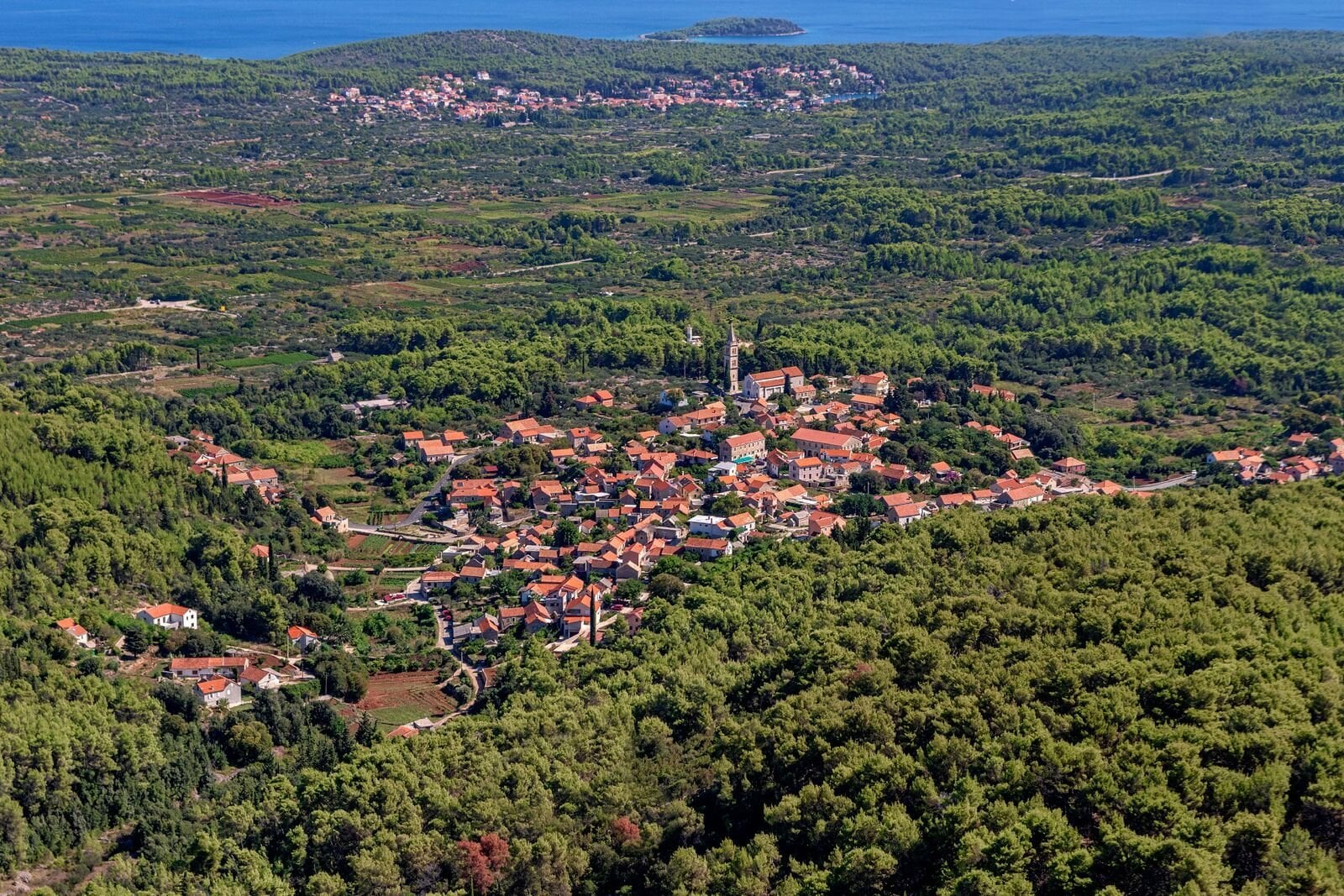
The parish church of the Holy Spirit, built in 1793 on the remains of a 15th-century predecessor, still stands a few steps away. Above the village are the ruins of the old church of St. Vitus and, higher still, the prehistoric site of Grašćice. The Plančić winery has a tasting centre in Vrbanj, which is reason enough for a longer stop.
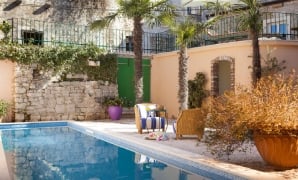
For guests staying at Villa Epimetheus , a lovingly restored 1872 winery at the heart of the village, all of this is within reach. The same stone walls that tell the history surround its garden.
Zastražišće, Hvar: the island's eastern lookout
Twenty kilometres east of Jelsa, Zastražišće sits about 193 metres above sea level on the eastern side of the island, between Poljica and Gdinj. The name itself gives the village away, as it refers to the strategic position it has held for centuries, guarding the approaches to Hvar from the east.
Vela Glova sits at 316 metres above sea level and is the site of a prehistoric hill fort from the Neolithic period and the Bronze Age. From this vantage point, one could look out over the sea towards Makarska and watch for invaders.
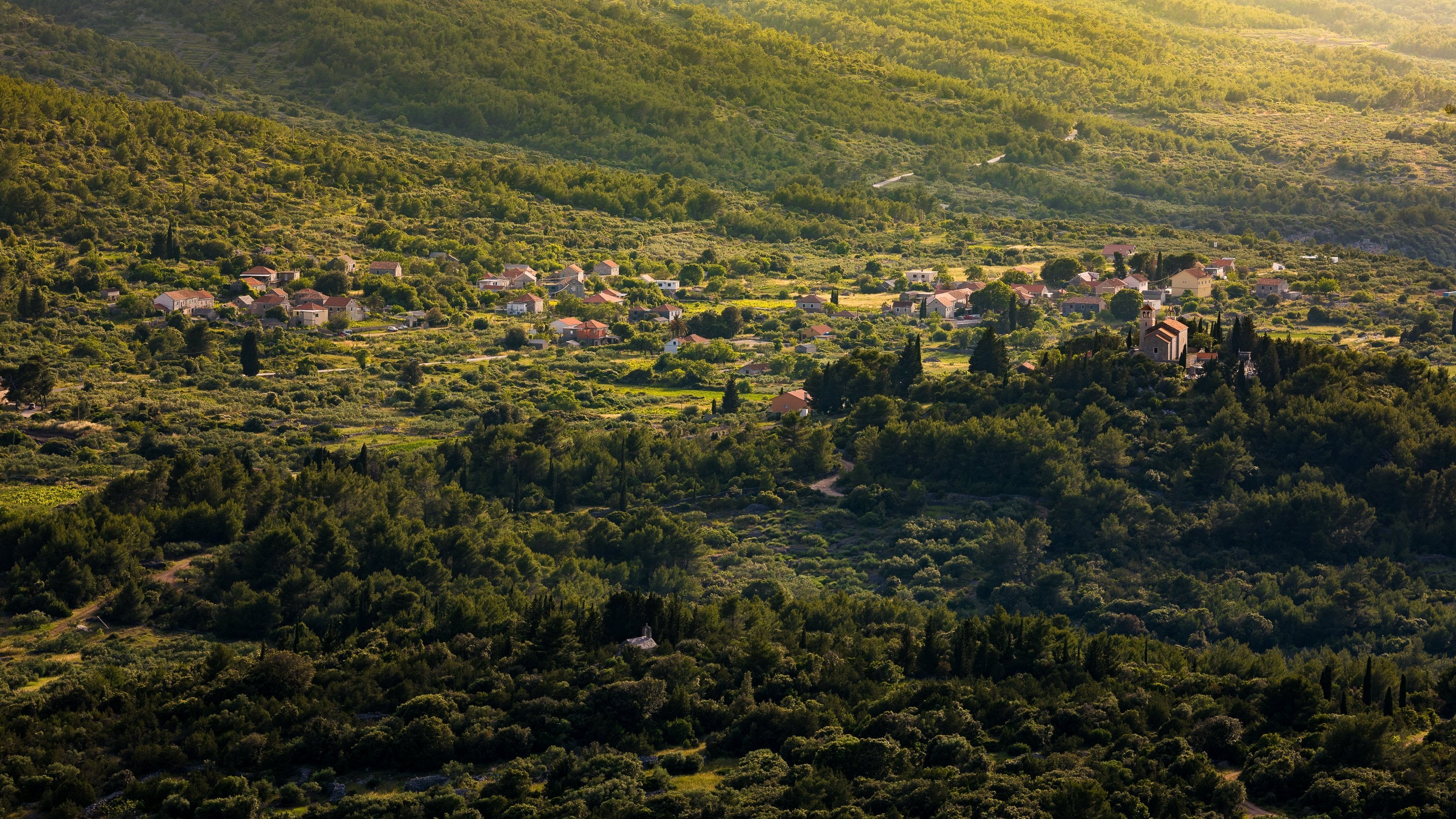
The village also has an olive tree estimated at over 2000 years old, belonging to the Beroš-Matunov family and recorded in a 1962 survey. It is still alive. The Church of St. Nicholas, built in the 19th century on a hill above the settlement, gives vistas across to Biokovo and the Makarska riviera on the mainland. On a clear day, the scale of the view will make you hold your breath.
Zastražišće comprises several hamlets and coastal coves. In summer, the restaurants at Vela Stiniva and Pokrivenik open for lunch, offering Dalmatian cooking served on the water, without the crowds that follow the island’s better known spots. The road here is not the quickest, which is part of the experience.
At 126 residents, it is one of the smallest settlements on the island. It is also one of the most dramatically situated. Cottage Helios and Villa Aion *Casa M are waiting to be your Zastražišće home.
Basina, Hvar: the northern cove that keeps itself to itself
Basina sits roughly halfway between Stari Grad and Jelsa on Hvar's northern coast, about eight kilometres from Stari Grad, six from Jelsa and four from Vrboska. It is tucked into pine forest and farmland that feels as if it's hardly ever changed.
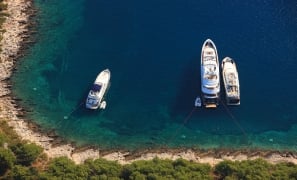
Basina’s origin is tied directly to Vrbanj. In the 19th century, when Vrboska separated from Vrbanj as an administrative settlement, the Vrbanj shipbuilders needed their own harbour. They found what they needed at Basina: a wind-protected cove on the north coast, sheltered and practical. That practical choice is still visible in its character today.
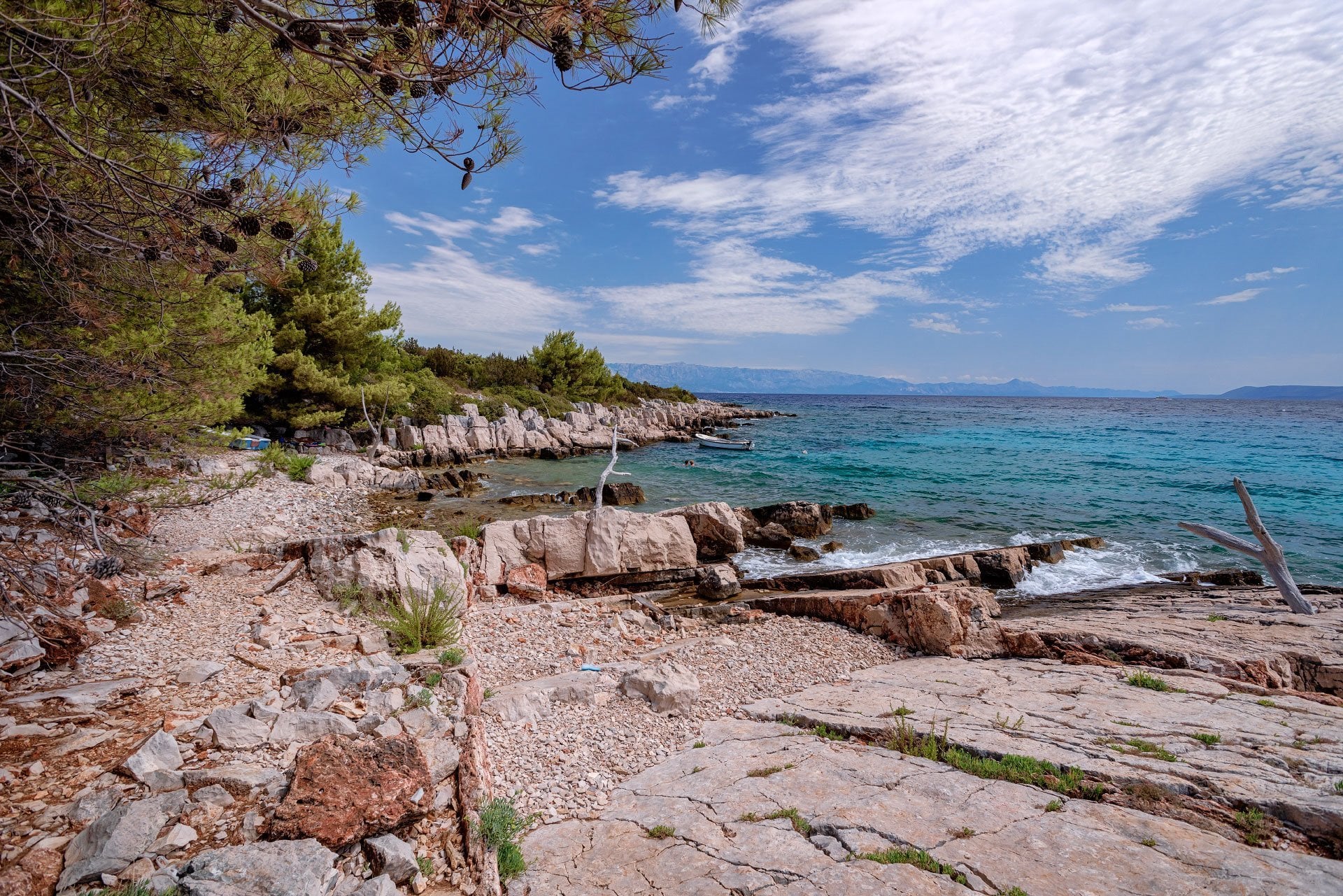
The cove is exposed enough to catch the wind, making it a decent spot for beginner surfers. The painter Jakov Bratanić found the area worth depicting, which tells you something about what it looks like, too. The village exists apart from the tourism that defines the island in July and August. In the off-season, it is very much its own place.
Basina is under 30 minutes by car from Hvar Town and a world away from its bustling harbour. Villa Thalassa, Villa Hephaestus and Villa Phaunos *The Glass Tree House are your ideal choices for a chilled-out retreat here.
Always travel further into Hvar island
The island’s inland villages are not undiscovered. People have been living in them for centuries.
If you are planning a trip to Hvar and want something outside of the main towns, Vrbanj, Zastražišće and Basina are three different answers to the same question: what does Hvar look like when the season ends? The answer, it turns out, looks a lot like this.